Why Choose Rust Over Any Programming Language for IT Solution Development - 14/11/2024
Discover the key reasons Rust is becoming the go-to choice for IT solution development, from performance to safety and developer productivity.
Introduction to Rust in IT Solution Development
In today’s fast-evolving IT landscape, choosing the right programming language is crucial for building efficient, secure, and reliable applications. Rust has emerged as a powerful choice, celebrated for its balance of performance, memory safety, and developer productivity. Here’s why Rust is increasingly chosen over languages like C++, Python, and Java for building modern IT solutions.
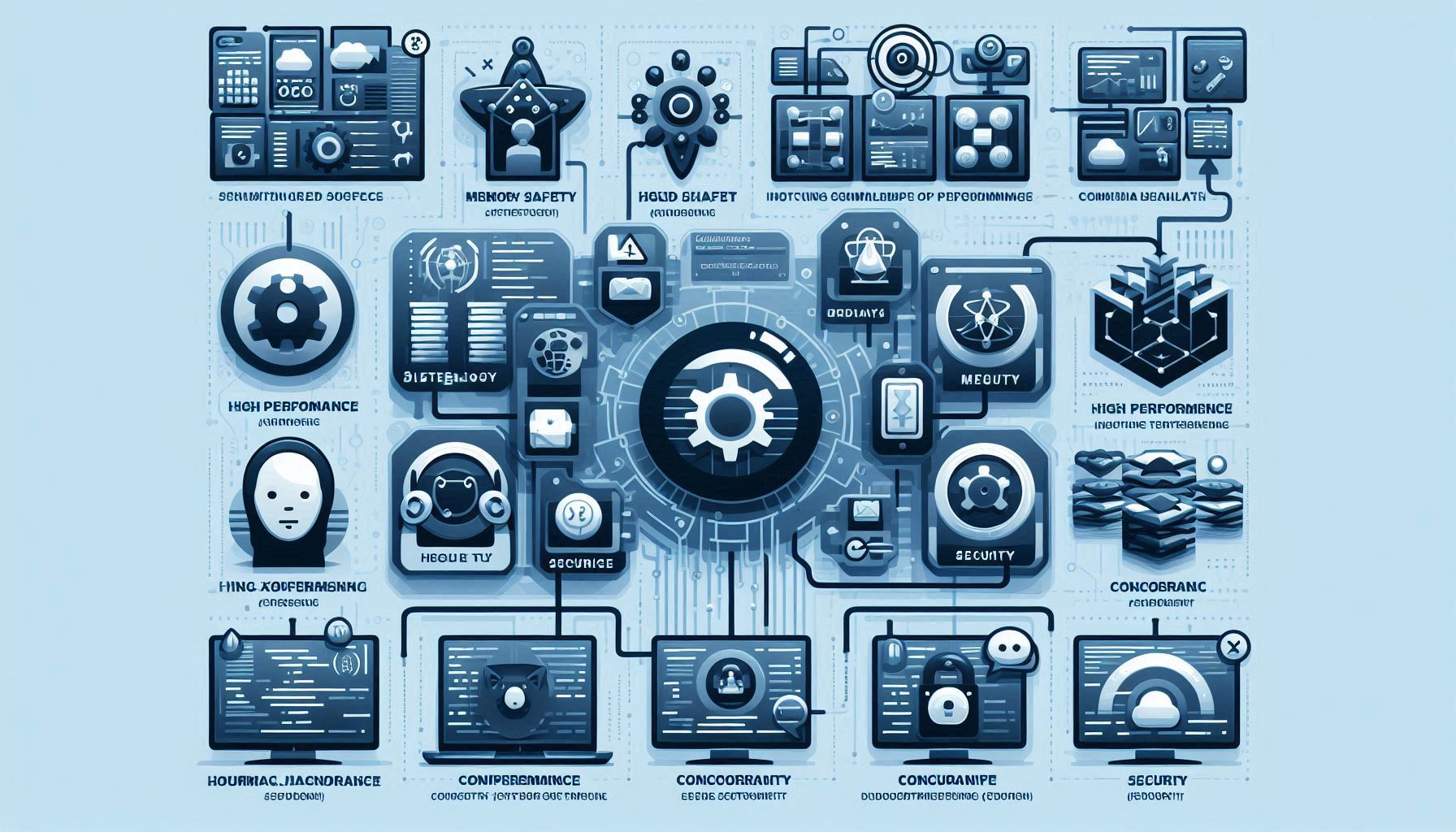
Figure 1: An overview of Rust’s core features and advantages.
Why Rust Stands Out
1. Memory Safety Without Garbage Collection
Rust ensures memory safety at compile-time without garbage collection. This approach significantly reduces issues like data races and memory leaks, offering a level of safety that minimizes the most common and costly errors in programming.

Figure 2: Comparison of memory safety across programming languages.
2. High Performance Comparable to C/C++
Rust compiles to machine code, enabling performance levels close to C and C++. This makes Rust ideal for applications where low latency and high efficiency are critical. Benchmarks show Rust often performs on par with C++ but with added safety guarantees.
3. Concurrency Simplified with Safety
Rust’s ownership model enables safe multi-threading without data races, crucial for modern applications that leverage multi-core processing. Rust’s unique approach minimizes bugs associated with concurrency, setting it apart from languages that lack these safety guarantees.
4. Explicit Error Handling
Rust’s Result and Option types enforce explicit error handling, reducing runtime surprises and resulting in code that’s more robust and stable. This approach leads to fewer unexpected crashes and more predictable application behavior.
5. Expanding Ecosystem and Tooling
Rust’s package manager, Cargo, and the growing repository of libraries and tools make development smoother and faster. Strong IDE support through VSCode, IntelliJ, and others provides Rust developers with a solid toolset.
Rust in Industry: Key Metrics
The following chart compares Rust to other popular languages in terms of developer productivity, security, and system performance based on recent industry surveys.
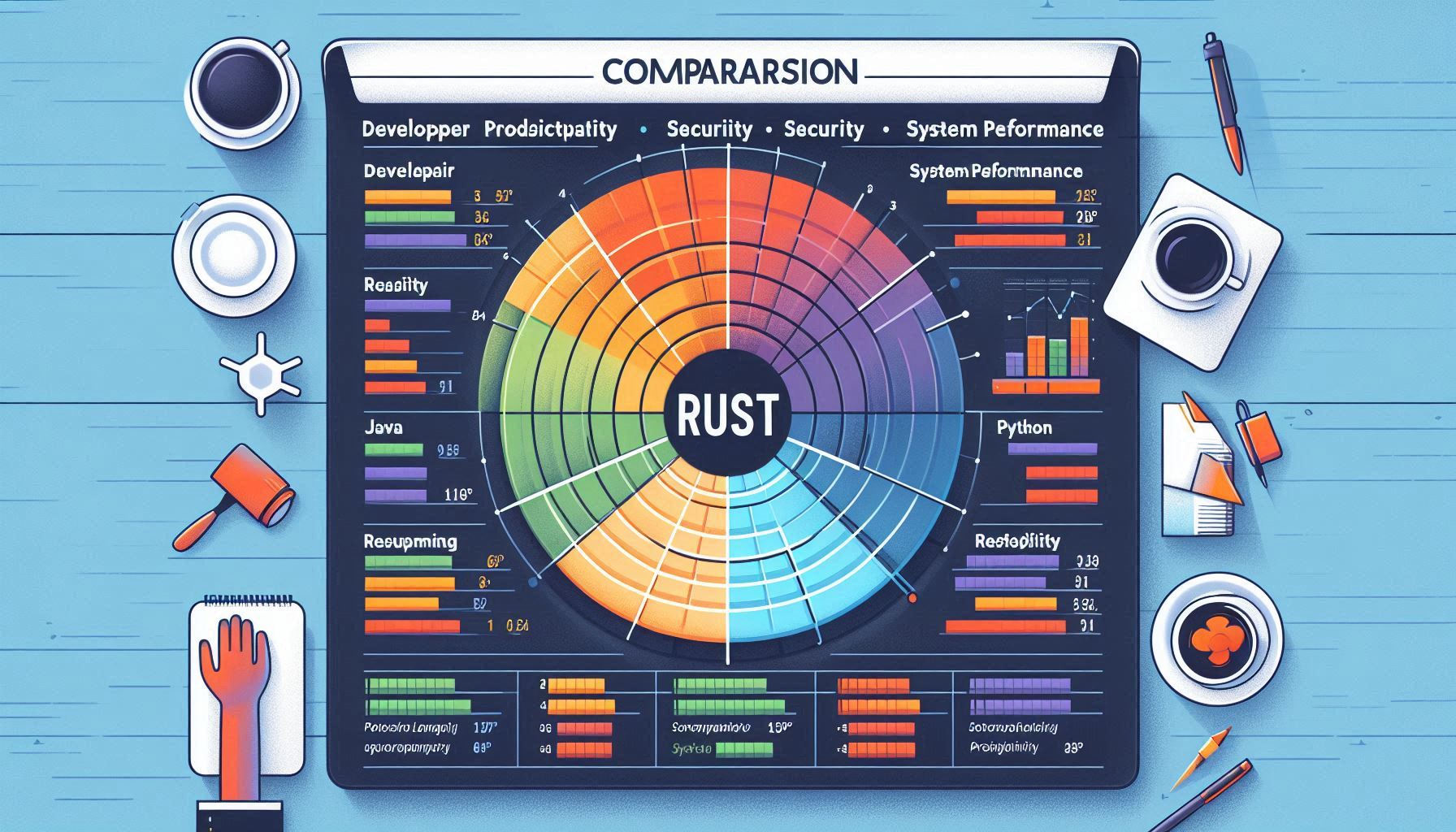
Figure 3: Comparison of developer productivity, security, and performance in Rust versus other languages.
Real-World Applications of Rust
- WebAssembly and Web Applications: Rust’s ability to compile to WebAssembly has enabled developers to build high-performance web applications with near-native speeds.
- Blockchain and Cryptocurrency: Rust is widely used in the blockchain industry (e.g., in Solana) due to its performance and safety.
- IoT and Embedded Systems: Rust’s low-level capabilities and safety make it ideal for IoT and embedded applications where security is paramount.
Example Projects Built with Rust
- Solana Blockchain: Leveraging Rust for a high-performance, secure cryptocurrency platform.
- Dropbox’s Magic Pocket: Rust is used to handle part of Dropbox’s infrastructure, showcasing its reliability at scale.
- Mozilla’s Servo Engine: Mozilla’s experimental web engine, built entirely in Rust, showcases the language’s strengths in handling complex, performance-critical systems.
Future of Rust: Adoption Trends
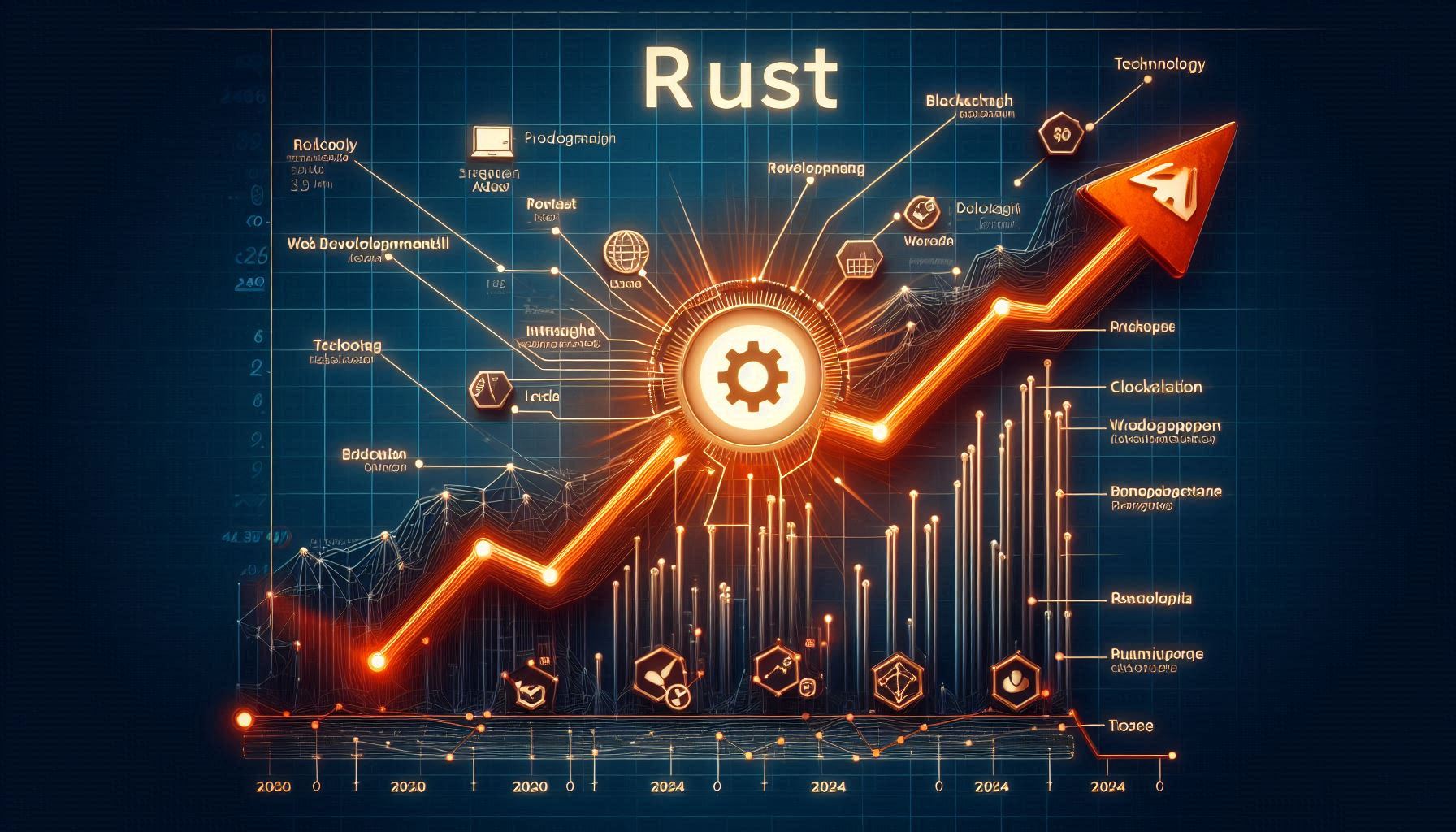
Figure 4: Rust adoption rates across industries from 2020 to 2024.
Conclusion
Rust’s blend of performance, safety, and a supportive community make it an ideal choice for IT solutions that need reliability and speed. As Rust’s ecosystem grows, it continues to prove its value across various domains, from web applications to system-level programming. By choosing Rust, IT teams can future-proof their projects, build secure applications, and optimize developer productivity.
Choosing Rust for IT solutions brings long-term benefits, from enhanced security to high performance, making it an excellent foundation for scalable and maintainable applications.